
President of the Cambodia Supply Chain Association Visits Beibu Gulf Port Group to Advance Cambodia–China Port Cooperation
- Jul 29
- 4 min read
Nanning, Guangxi, China | 29 June 2026
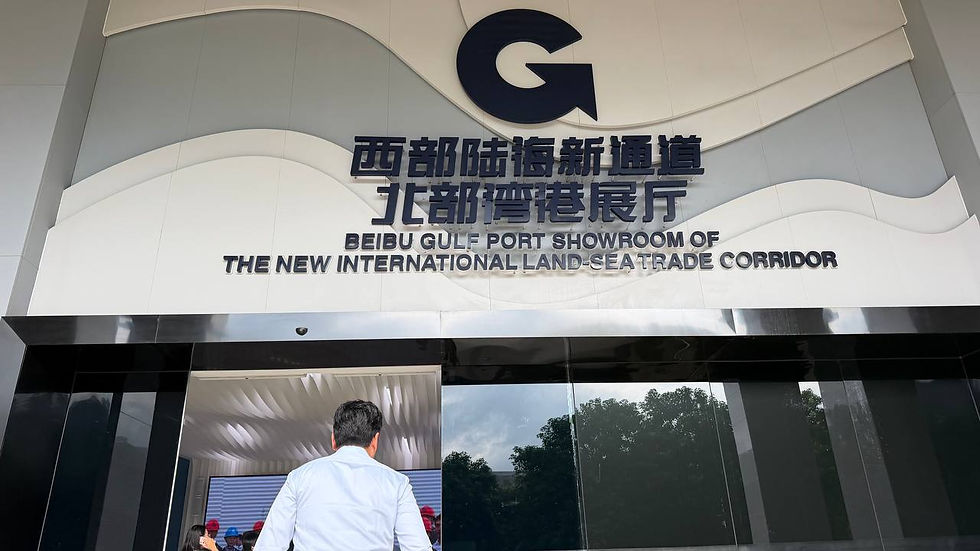
The President of the Cambodia Supply Chain Association (CSCA) conducted a strategic working visit to Beibu Gulf Port Group in Nanning, Guangxi Province, People's Republic of China, on 29 June 2026, following an official invitation from the Group. The visit underscores the growing commitment of both Cambodia and China to strengthen maritime connectivity, port infrastructure development, and regional supply chain integration.
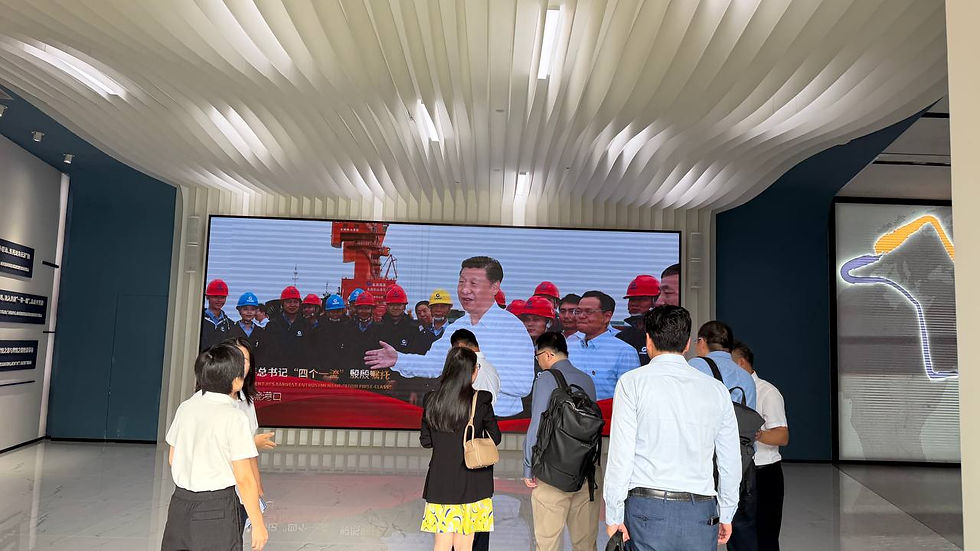
The primary objective of the visit was to gain a comprehensive understanding of Beibu Gulf Port Group's investment strategy and expansion plans in Cambodia, with particular emphasis on potential cooperation with the Phnom Penh Autonomous Port (PPAP). As Cambodia's principal inland river port and one of the country's most important logistics gateways, Phnom Penh Autonomous Port plays a critical role in facilitating international trade and supporting Cambodia's long-term economic development.
Strengthening Cambodia's Port and Logistics Infrastructure
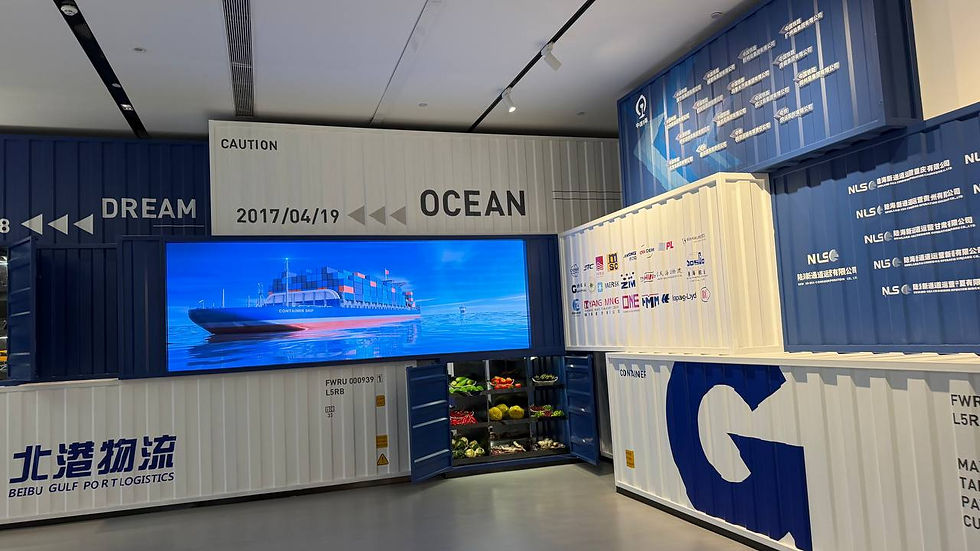
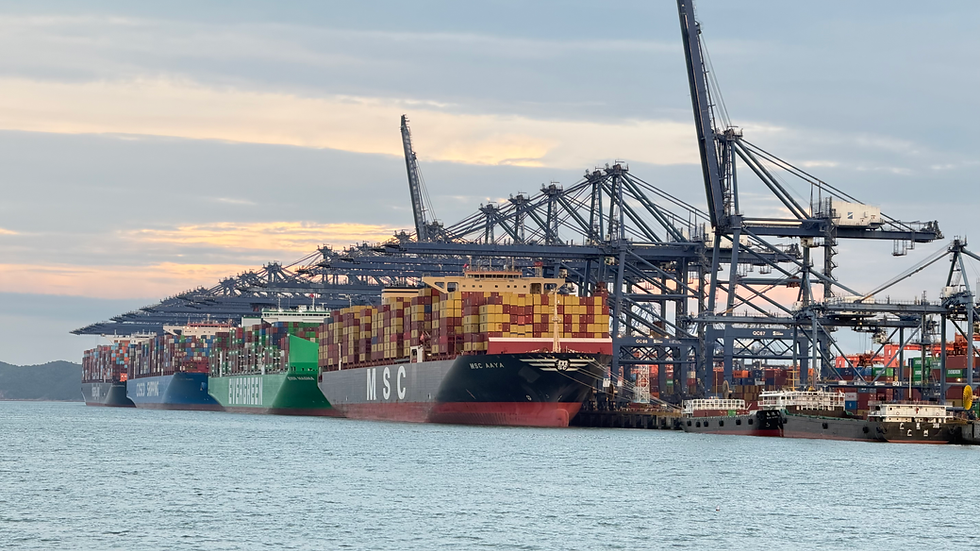
During the visit, the CSCA delegation was introduced to the operational capabilities of Beibu Gulf Port Group, including its world-class container terminals, smart port technologies, multimodal transportation network, logistics parks, and integrated supply chain management systems.
Discussions focused on identifying opportunities to enhance Cambodia's logistics competitiveness through strategic investment, operational collaboration, technology transfer, and infrastructure development.
The visit also included presentations on the New International Land-Sea Trade Corridor (ILSTC), which connects western China with Southeast Asia through an efficient multimodal transport network. Cambodia is well positioned to become an important partner within this regional logistics corridor.
Supporting the Development of Phnom Penh Autonomous Port
As Cambodia experiences rapid growth in international trade, manufacturing, and cross-border e-commerce, expanding the capacity and efficiency of Phnom Penh Autonomous Port has become increasingly important.
Collaboration between Beibu Gulf Port Group and Phnom Penh Autonomous Port could accelerate the modernisation of Cambodia's river port operations through:
Modern container terminal management.
Smart port digitalisation and automation.
Advanced cargo handling systems.
Integrated inland waterway logistics.
Port operation management expertise.
Green and sustainable port development.
Digital customs and cargo tracking solutions.
Port community information systems.
Such initiatives would strengthen Cambodia's position as a competitive logistics hub within the Greater Mekong Subregion and ASEAN.
Creating a Strategic China–Cambodia Maritime Corridor
One of the key discussions during the visit centred on establishing stronger maritime and logistics connectivity between Beibu Gulf Port and Cambodia.
Enhanced cooperation could significantly improve the movement of goods between southern China and Cambodia by providing:
More efficient container shipping services.
Reduced cargo transit times.
Lower logistics and transportation costs.
Improved reliability of international freight services.
Greater capacity for import and export activities.
Enhanced multimodal transport connections linking ports, railways, highways, and inland waterways.
This strategic connectivity would support Cambodia's growing industrial base and facilitate trade with China, ASEAN, and global markets.
Driving Trade, Investment and Industrial Growth
The collaboration between Beibu Gulf Port Group and Cambodia has the potential to generate substantial economic benefits across multiple sectors.
1. Increased Bilateral Trade
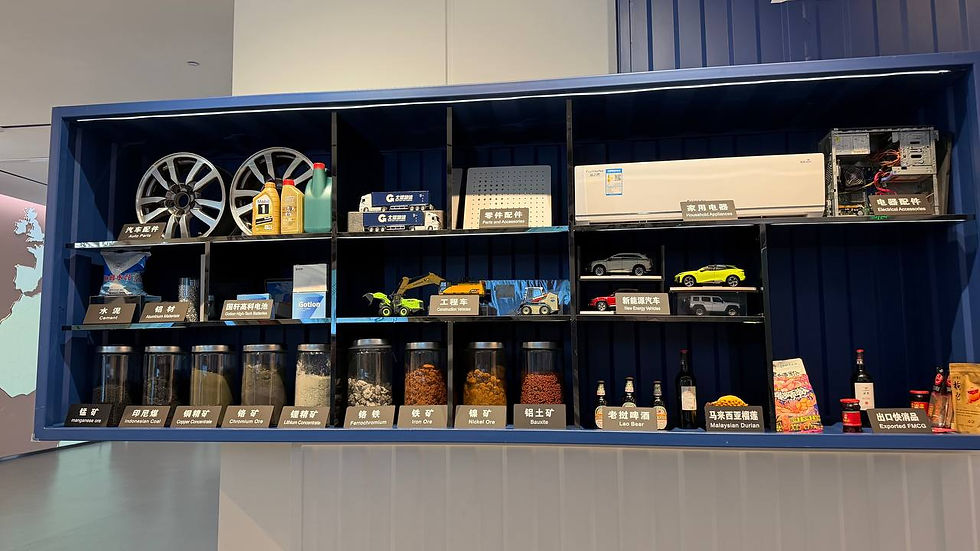
Improved logistics efficiency will enable Cambodian exporters to access the Chinese market more competitively while facilitating the import of industrial equipment, raw materials, and consumer goods into Cambodia.
2. Strengthening Manufacturing Supply Chains
Cambodia's expanding manufacturing sector—including garments, electronics, automotive components, bicycles, agricultural processing, and light industries—will benefit from faster, more reliable logistics services and lower supply chain costs.
3. Supporting Cross-Border E-Commerce
As cross-border e-commerce continues to grow rapidly, enhanced cooperation will improve fulfilment capabilities, warehouse operations, and international parcel distribution, enabling Cambodian businesses to participate more effectively in regional digital trade.
4. Attracting Foreign Direct Investment
World-class port infrastructure is a key consideration for international investors. Strategic collaboration with Beibu Gulf Port Group would strengthen Cambodia's investment environment and attract new manufacturing, logistics, and industrial projects.
5. Technology Transfer and Human Capital Development
The partnership offers valuable opportunities for Cambodian port operators, logistics professionals, and supply chain specialists to benefit from knowledge sharing, technical training, and the adoption of advanced operational standards.
Aligning with Cambodia's Long-Term Development Vision
The visit reflects CSCA's commitment to supporting Cambodia's national logistics strategy by promoting international partnerships that enhance supply chain resilience, improve trade facilitation, and strengthen infrastructure connectivity.
As Cambodia advances under the Cambodia–China Free Trade Agreement (CCFTA), the Regional Comprehensive Economic Partnership (RCEP), and the Belt and Road Initiative (BRI), strategic cooperation with leading international port operators will play an increasingly important role in supporting sustainable economic growth.
Looking Forward
The Cambodia Supply Chain Association welcomes continued dialogue with Beibu Gulf Port Group to explore practical areas of cooperation that will contribute to the long-term development of Cambodia's logistics and maritime sectors.
By combining Beibu Gulf Port Group's expertise in smart port operations and international logistics with Cambodia's strategic geographic location and growing economy, both parties have the opportunity to establish a stronger China–Cambodia logistics partnership that supports regional connectivity, promotes trade, and creates shared economic prosperity.


Comments